How Urban Tech Initiatives Foster Economic Growth
Urban technology initiatives are increasingly recognized for their potential to stimulate economic growth in residential areas. By leveraging technology, cities can enhance infrastructure, improve services, and boost local economies. This article examines how these initiatives work and their impact on urban development.
The Role of Urban Technology
Urban technology encompasses a variety of solutions, from smart transportation systems to digital public services. According to a report by the McKinsey Global Institute, cities that adopt smart technologies can see productivity increases of up to 20% in specific sectors. These enhancements often result from more efficient resource management and improved connectivity.

Key Initiatives Driving Economic Growth
Several urban tech initiatives have emerged that not only improve daily life but also support economic development. Here are a few notable examples:
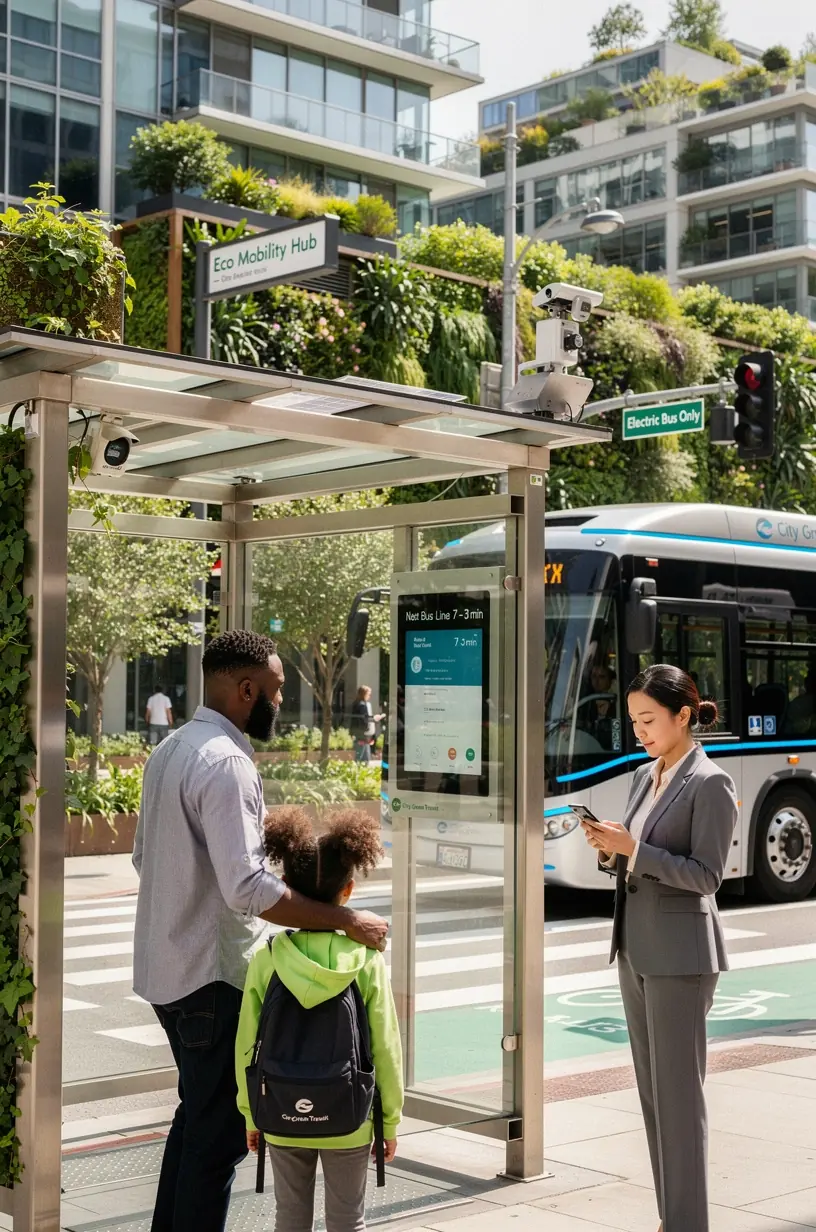
- Smart Transportation Solutions: Implementing data-driven public transport systems can reduce congestion, leading to lower commuting times. Studies indicate that reduced travel times often result in increased productivity, as workers spend less time in transit.
- Wi-Fi Access in Public Spaces: Expanding free Wi-Fi networks in urban areas can foster economic activity by enabling residents to access online resources and services. Research shows that areas with improved internet access typically see a rise in local business engagement.
- Urban Farming Initiatives: Technology-driven urban agriculture projects utilize innovative methods to grow food within city limits. According to the USDA, urban farming can create jobs and stimulate local economies, particularly in food deserts.
Challenges and Considerations
While urban tech initiatives hold promise, they also come with challenges. Implementation often requires significant investment and time. Experts recommend that cities assess their unique needs before deploying these technologies. For example, effective integration of smart technologies typically necessitates collaboration between local governments, businesses, and community members.
"Cities should approach urban tech initiatives with a clear strategy that prioritizes community needs and sustainable growth." - Urban Development Expert
Looking Ahead
As urban areas continue to grow, the integration of technology will be vital for fostering economic resilience. Many cities are already implementing pilot programs to test the viability of various tech solutions. These initiatives often take time to yield results. In most cases, noticeable improvements can take 6 to 12 months to materialize, depending on the complexity of the project.
Conclusion
Urban technology initiatives can play a significant role in driving economic growth within residential districts. By focusing on smart solutions that address community needs, cities can create environments that are not only more livable but also economically vibrant. Moving forward, engagement with residents and stakeholders will be crucial to ensure that these initiatives are effectively implemented and sustained.