
The Role of IoT in Enhancing Urban Services
The Internet of Things (IoT) is increasingly shaping urban landscapes, influencing how residents interact with their environments. Through connected devices and data-driven solutions, urban services are being transformed to improve the quality of life in residential districts across the United States.
Understanding the Basics of IoT
The Internet of Things refers to the network of physical devices that collect and exchange data. These devices can range from smart home appliances to streetlights equipped with sensors. According to industry experts, the integration of IoT technology in urban settings can streamline operations, enhance service delivery, and provide real-time insights into community needs.
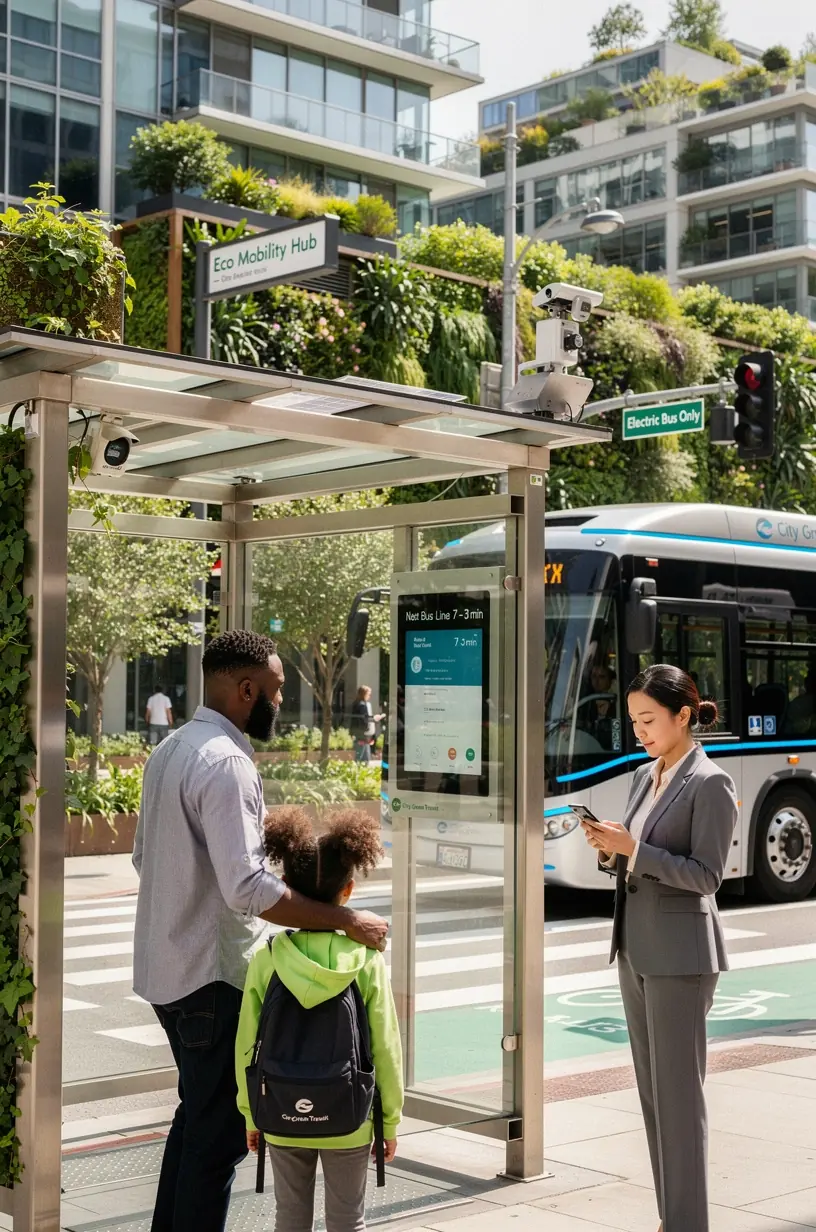
"The integration of IoT into urban services offers unprecedented opportunities for efficiency and innovation, leading to smarter cities." - Smart Cities Council
Key Areas of Impact
IoT technology is making strides in various urban service areas:
- Smart Transportation: IoT devices monitor traffic patterns, providing data that can improve traffic flow. Research indicates that cities that have implemented smart traffic management systems often experience a reduction in congestion by up to 30%.
- Waste Management: Smart bins equipped with sensors notify waste management services when they are full, optimizing collection routes and schedules. Studies show that cities utilizing this technology can reduce operational costs by 20%.
- Public Safety: Smart surveillance systems, connected through IoT, enhance security in urban areas. Data from these systems can lead to quicker emergency responses, a crucial factor in improving community safety.
Challenges and Considerations
While the benefits of IoT in urban services are evident, there are challenges that must be addressed:
- Data Privacy: The collection of data from residents necessitates stringent privacy measures to protect individual information. Experts recommend transparency and robust data management practices to build trust among users.
- Infrastructure Investment: Implementing IoT solutions often requires significant investment in infrastructure and technology. Many cities report that the initial setup can take anywhere from 6 to 12 months, depending on the complexity of the systems.
- Interoperability Issues: Different devices and platforms need to work together seamlessly. This typically involves addressing compatibility issues, which can slow down the integration process.
The Future of Urban Services with IoT
As more cities embrace IoT technology, the potential for enhancing urban services continues to grow. For instance, research indicates that by 2025, the global market for smart cities is expected to reach $2.57 trillion, reflecting a strong trend towards technological integration in urban planning.
Conclusion
The role of IoT in enhancing urban services is multifaceted and impactful. While challenges such as data privacy and infrastructure investment need to be navigated thoughtfully, the potential benefits—such as increased efficiency, better resource management, and improved quality of life—are compelling. As cities evolve, leveraging IoT technology will likely play a crucial role in shaping sustainable urban environments for future generations.
Learn More