Practical Applications of Augmented Reality in Cities
Augmented Reality (AR) is reshaping urban environments by enhancing the way residents interact with their surroundings. This article explores practical applications of AR in cities across the United States, highlighting how it can improve daily life.
Understanding Augmented Reality
Augmented Reality refers to technology that overlays digital information onto the real world, typically through smartphones or AR glasses. According to industry experts, AR can bridge the gap between digital experiences and physical locations, creating a more engaging urban environment. Many city planners are starting to incorporate AR into their development strategies to enhance community engagement and improve infrastructure.
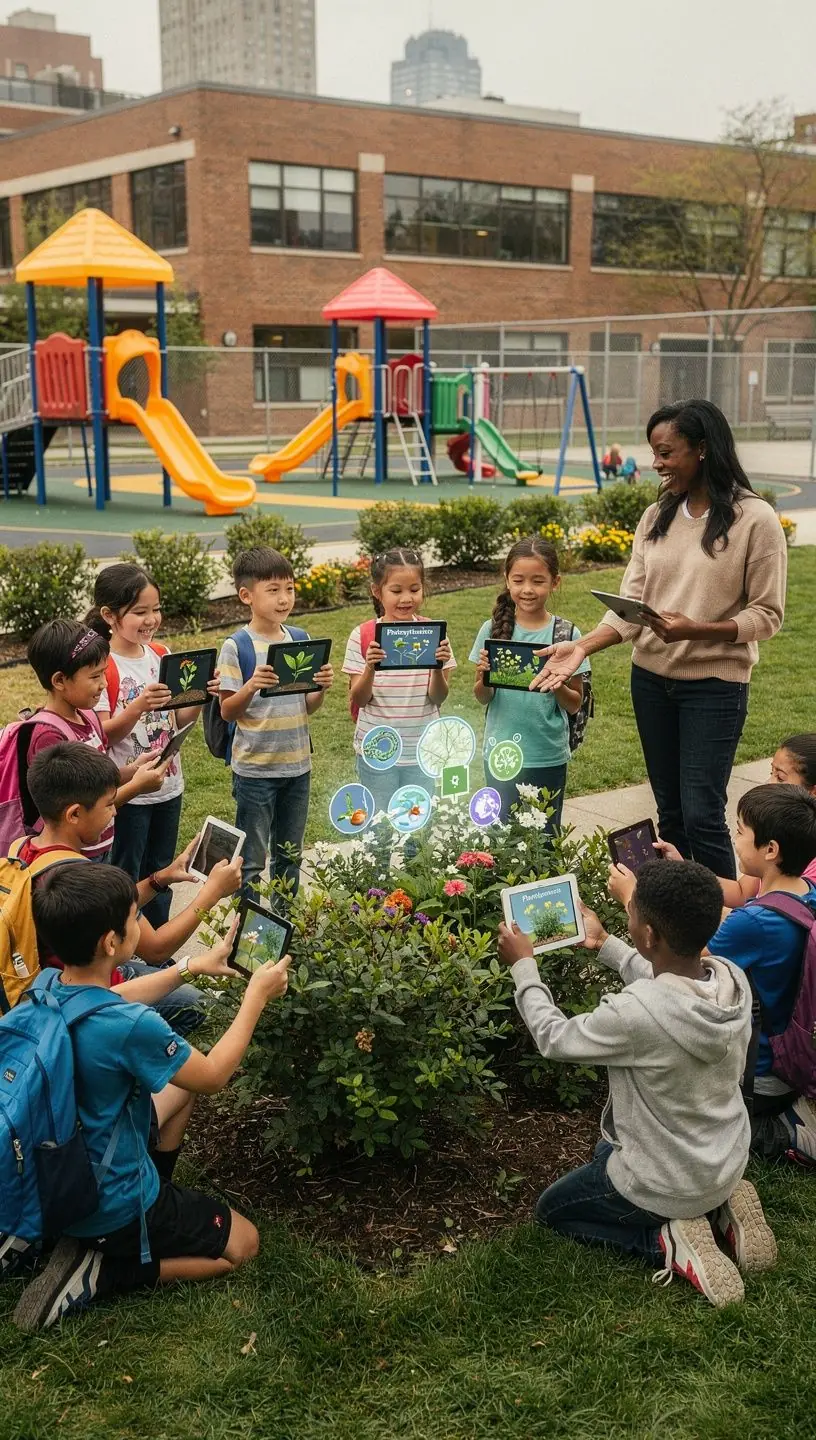
"Augmented Reality can transform the way we perceive our urban spaces by making information more accessible and interactive." - Urban Tech Research
Enhancing Navigation and Wayfinding
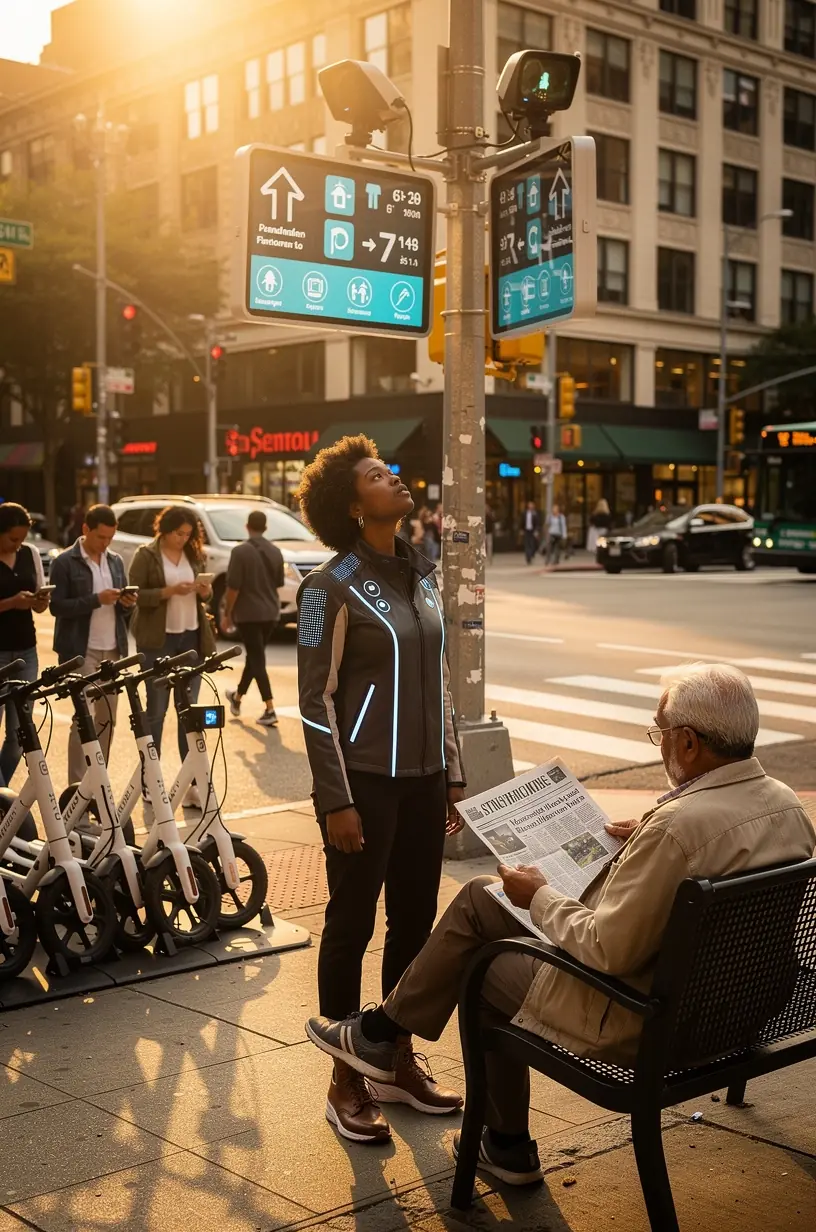
One of the most practical applications of AR is in navigation. Numerous cities have begun implementing AR navigation systems that provide real-time guidance through overlays on smartphone screens. Research indicates that these systems can decrease the time it takes to navigate complex urban environments by as much as 30%, especially in areas with heavy foot traffic.
Interactive Public Art and Historical Information
AR can also enhance public art and historical exhibitions. For example, users can scan a QR code at a historical site to unlock augmented content that provides background information, videos, or virtual reconstructions of past events. This approach not only enriches the cultural experience but also promotes local tourism. Experts recommend this method as it fosters community pride and education, engaging both residents and visitors alike.
Urban Planning and Development
City planners are leveraging AR for better visualization and decision-making in urban development projects. By using AR simulations, stakeholders can visualize proposed changes, such as new buildings or parks, in the existing landscape. This has been shown to improve public consultations, with studies suggesting that AR facilitates clearer communication of project impacts and benefits.
Challenges and Future Directions
While the potential of AR in urban settings is significant, it is not without challenges. Implementing effective AR solutions often requires robust infrastructure, including high-speed internet and compatible devices. Additionally, the technology may involve a learning curve for users unfamiliar with it. Research indicates that community engagement is essential for successful adoption, as initiatives that include public input tend to be more effective.
Conclusion
Augmented Reality presents numerous opportunities for enhancing urban living by improving navigation, enriching cultural experiences, and aiding urban planning. While there are challenges to overcome, the ongoing developments in AR technology suggest that its role in cities will only grow. Stakeholders should consider the potential of AR as a complementary approach to traditional urban strategies, paving the way for a more connected and interactive urban future.