Understanding the Impact of Urban Green Spaces
Urban green spaces play a crucial role in enhancing the quality of life in residential districts. This article delves into the various benefits these areas provide and how they contribute to a healthier urban environment.
The Significance of Urban Green Spaces
Urban green spaces, such as parks, gardens, and green rooftops, serve multiple purposes in city life. According to research conducted by the American Society of Landscape Architects, these areas not only beautify neighborhoods but also offer significant environmental and social benefits.
Environmental Benefits
- Urban green spaces improve air quality by filtering pollutants. Studies show that trees and plants can reduce airborne contaminants by up to 60%.
- They help mitigate urban heat islands, which occur when urban areas become significantly warmer than their rural surroundings. Research indicates that green spaces can lower temperatures by 5-7 degrees Fahrenheit in populated areas.
- Additionally, these areas contribute to biodiversity, providing habitats for various species, thereby supporting ecosystems within urban settings.
"Green spaces not only enhance the aesthetic of an area but also significantly improve the overall health of communities," states Dr. Sarah Thompson, a leading urban ecologist.
Social Benefits
Beyond environmental advantages, urban green spaces contribute to social well-being:
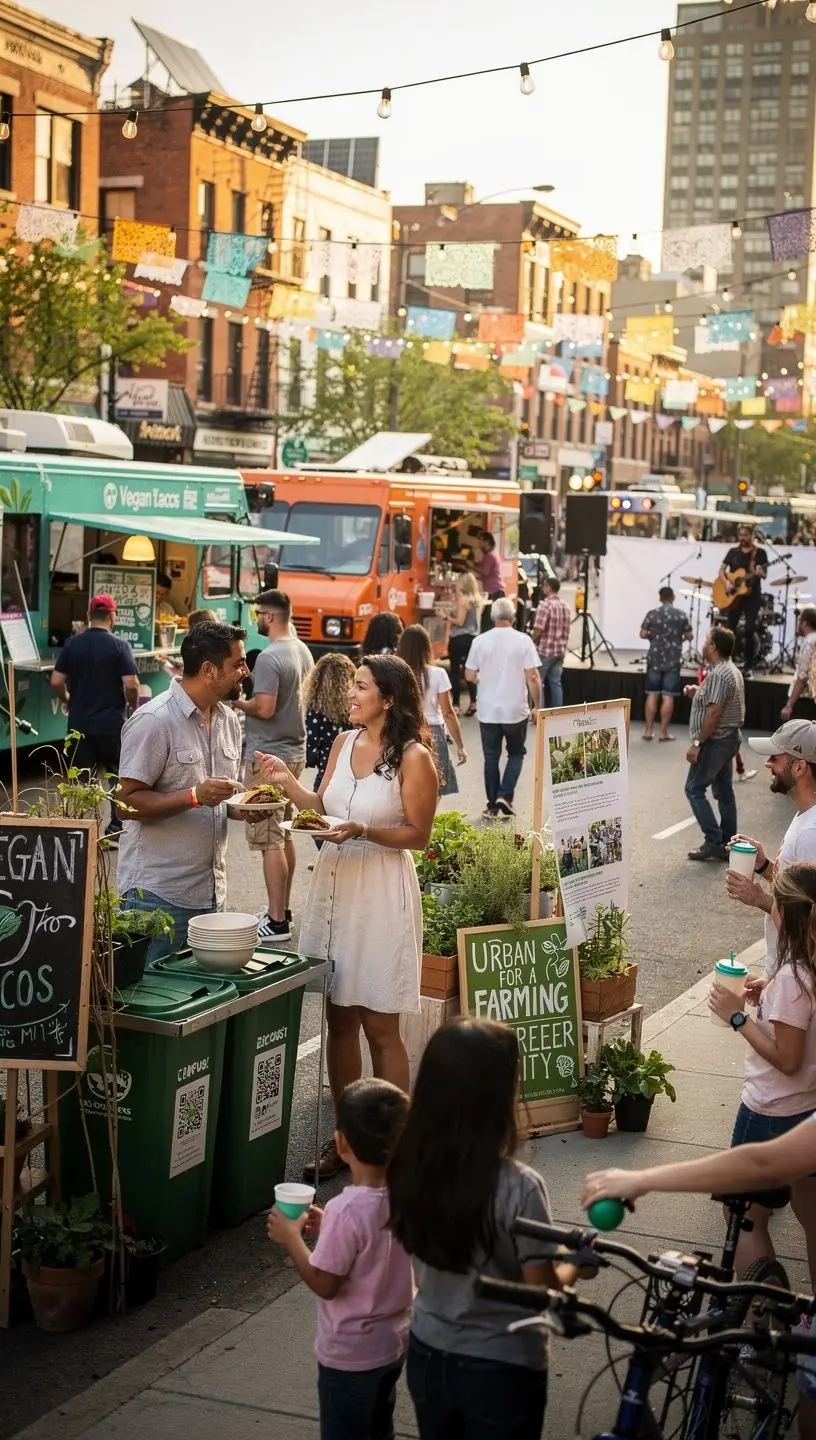
- They foster community interaction. Many residents report feeling more connected to their neighborhoods when they have access to parks and recreational areas.
- Experts recommend that green spaces can promote physical activity, which is crucial for combating obesity and related health issues. Data shows that individuals living near parks engage in 30% more physical activity than those who do not.
- Moreover, studies indicate that access to nature can improve mental health, with many users reporting decreased levels of stress and anxiety when regularly visiting green spaces.
Challenges and Considerations
While the benefits of urban green spaces are substantial, their development and maintenance do come with challenges:
- Space limitation is a common challenge in densely populated areas. Urban planners often need to be creative about integrating green spaces in limited available land.
- There is the need for ongoing maintenance. Green spaces require proper care, which often involves community engagement and public funding.
- Accessibility is vital. Green spaces should be designed to be accessible to all community members, which may involve considerations for individuals with disabilities.
Conclusion
In conclusion, urban green spaces significantly enhance the quality of life in residential districts through their environmental and social benefits. While challenges exist in their implementation and upkeep, the long-term advantages can lead to healthier, more connected communities. Understanding these impacts allows urban planners and residents alike to advocate for more green spaces in their neighborhoods, contributing to a more sustainable future.