Understanding the Benefits of Urban Farming
Urban farming has emerged as a dynamic solution to various challenges faced by residential districts today. By integrating agriculture into urban environments, communities can harness the potential of technology and innovation to improve quality of life. This article explores the benefits of urban farming and how it contributes to daily living in cities across the United States.
Defining Urban Farming
Urban farming involves cultivating, processing, and distributing food in or around cities. This practice can take various forms, such as community gardens, rooftop farms, vertical gardens, and even hydroponic systems. According to recent studies, urban farming can enhance food security, promote biodiversity, and foster community engagement.
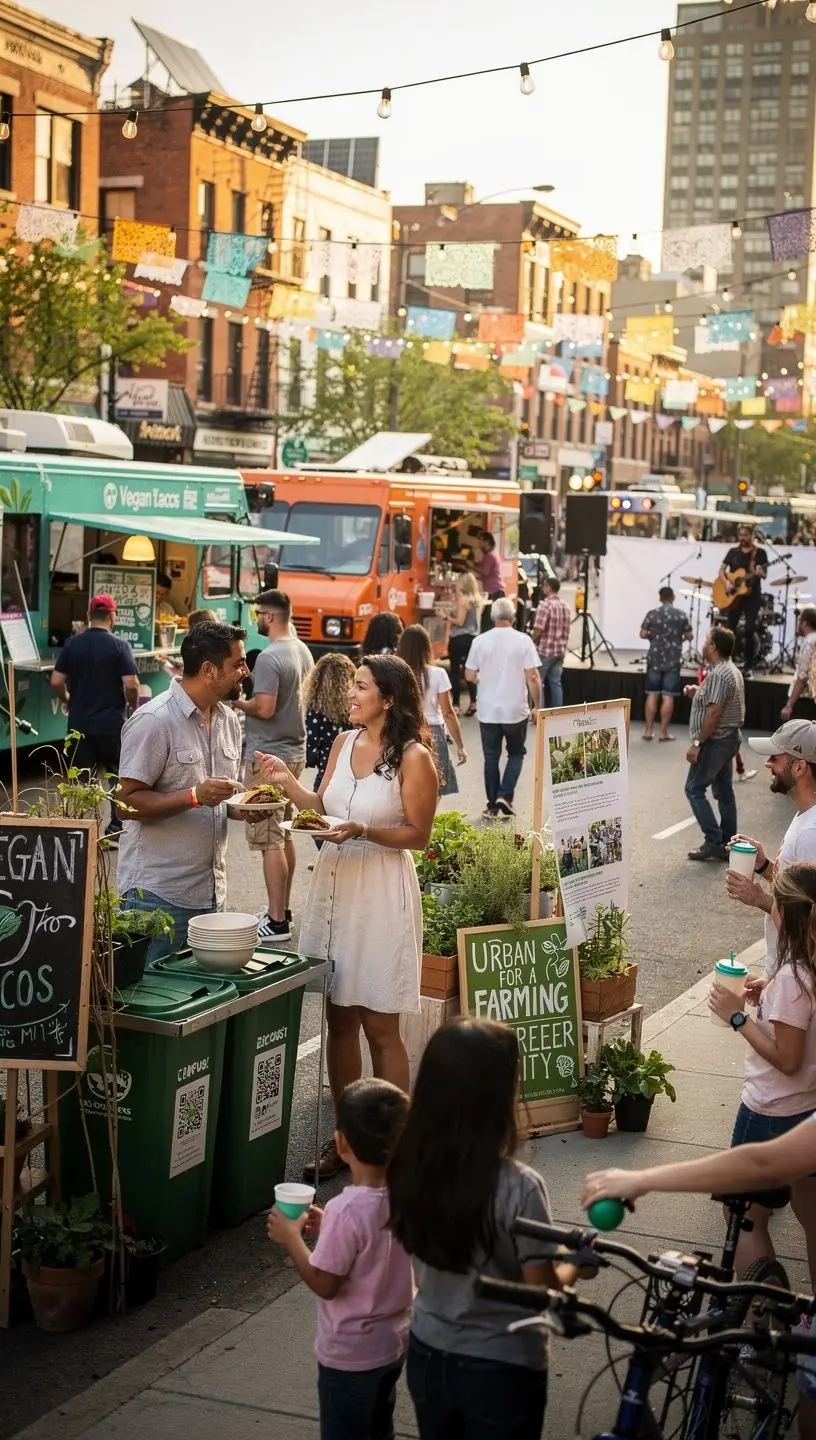
"Urban agriculture can help meet the food demands of a growing urban population, reduce the carbon footprint associated with food transportation, and promote healthier eating habits." - National Institute of Food and Agriculture
The Advantages of Urban Farming
Urban farming offers numerous benefits that can significantly impact communities:
- Enhanced Food Security: Many urban areas face food deserts, where access to fresh produce is limited. Urban farming initiatives can provide local residents with fresh, nutritious food, which is particularly crucial for underserved populations.
- Environmental Benefits: Research indicates that urban farms can improve air quality, reduce stormwater runoff, and promote biodiversity by creating habitats for various species. By utilizing green spaces, urban farming mitigates some of the negative effects of urbanization.
- Community Engagement: Urban farming fosters a sense of community by bringing people together to grow and share food. Engagement in local farming creates social networks and promotes collaboration among neighbors, which can enhance community resilience.
- Educational Opportunities: Urban farms serve as valuable educational platforms, teaching residents about sustainable practices, nutrition, and food systems. Experts recommend involving local schools to engage children in hands-on learning experiences.
Challenges and Considerations
While urban farming presents many advantages, it is essential to recognize some of the challenges involved:
- Space Limitations: Urban areas often have limited available space for farming. Vertical gardening and rooftop farms can be effective solutions, but they require careful planning and investment.
- Regulatory Hurdles: Local zoning laws and regulations can sometimes restrict urban farming activities. It's crucial for community members to advocate for supportive policies that facilitate urban agricultural practices.
- Time and Commitment: Starting and maintaining an urban farm typically requires a dedicated time commitment. Community volunteers often need to be organized and motivated to ensure successful operations.
Conclusion
Urban farming is a promising approach to address various urban challenges, from food insecurity to community building. By understanding the benefits and limitations, residents can make informed decisions about how to engage with urban agriculture in their neighborhoods. Ultimately, urban farming can play a vital role in creating more sustainable, resilient, and healthy urban environments.