A Practical Guide to Electric Vehicle Charging Infrastructure
As electric vehicles (EVs) become increasingly common in residential districts across the US, understanding the charging infrastructure is crucial for homeowners and communities. This guide provides practical insights into setting up and optimizing EV charging stations.
Understanding Electric Vehicle Charging
Electric vehicle charging is typically categorized into three levels: Level 1, Level 2, and DC Fast Charging. Level 1 charging utilizes a standard 120-volt outlet, making it convenient but slow, often taking up to 24 hours to fully charge a vehicle. Level 2 charging, on the other hand, operates on a 240-volt outlet and can charge an EV in 4 to 8 hours, according to the U.S. Department of Energy.
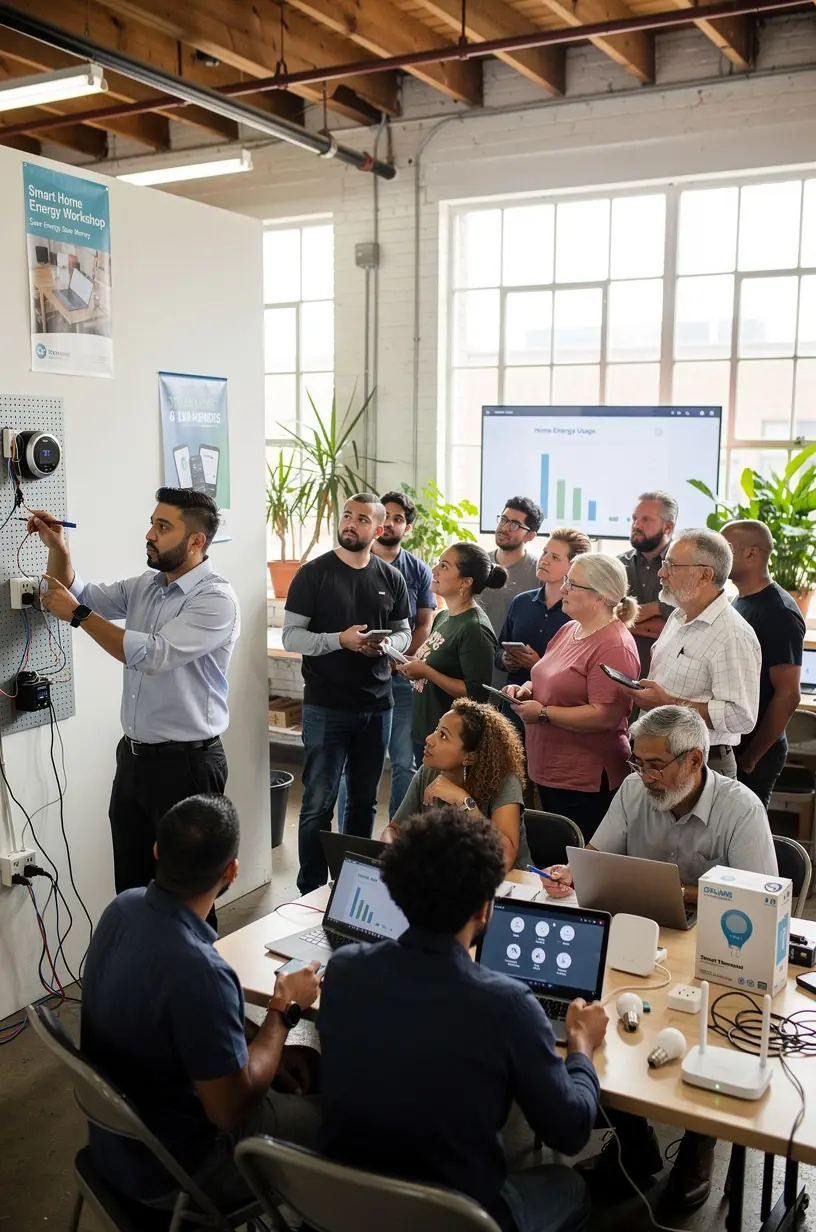
"Establishing a reliable charging infrastructure is crucial as more consumers make the switch to electric vehicles." - Industry Expert
Choosing the Right Charging Station
When selecting a charging station, several factors come into play:
- Power Output: Higher output stations charge faster, which can be beneficial in busy urban areas where quick turnaround is essential.
- Compatibility: Most EVs use a standard connector, but it's wise to ensure the chosen charger is compatible with various models.
- Smart Features: Many modern charging stations offer smart features, such as scheduling and tracking, which can enhance user convenience and efficiency.
Installation Considerations
Installing EV charging stations involves several critical steps:
- Site Assessment: Evaluate the location to determine the most effective placement for the station, taking into account accessibility and electrical capacity.
- Electrical Upgrades: Many installations may require an upgrade to the electrical panel to accommodate the additional load, typically involving a licensed electrician.
- Permitting and Regulations: Familiarize yourself with local regulations and obtain necessary permits. Many municipalities have specific standards regarding EV charging installations.
Maximizing Efficiency and Usage
To get the most out of EV chargers within a residential district, consider the following strategies:
- Incentives: Explore local and federal incentives for installing EV chargers, which can offset initial costs.
- Community Engagement: Encourage neighborhood discussions on EV adoption and charging needs to foster a collaborative approach to infrastructure development.
- Monitoring Usage: Implementing a monitoring system can help track usage patterns, which can inform future expansions and upgrades.
Conclusion
Establishing an effective electric vehicle charging infrastructure in residential districts can significantly enhance the convenience and appeal of EV ownership. By understanding the types of chargers, installation considerations, and strategies for maximizing efficiency, communities can pave the way for a more sustainable future. As the EV market continues to grow, investing in thoughtful charging solutions is a step towards a cleaner, more innovative urban landscape.