Exploring the Intersection of Technology and Public Art
In an era where technology permeates every aspect of our lives, the fusion of technology and public art presents exciting opportunities for enhancing community engagement, cultural expression, and urban aesthetics. This article delves into how this intersection can improve daily life in residential districts across the United States.
Understanding the Role of Public Art
Public art serves as a vital component of urban spaces, contributing to community identity and encouraging social interaction. According to the National Endowment for the Arts, public art can foster a sense of place and belonging among residents. Typically, these artistic expressions also reflect the diverse cultural backgrounds of community members.
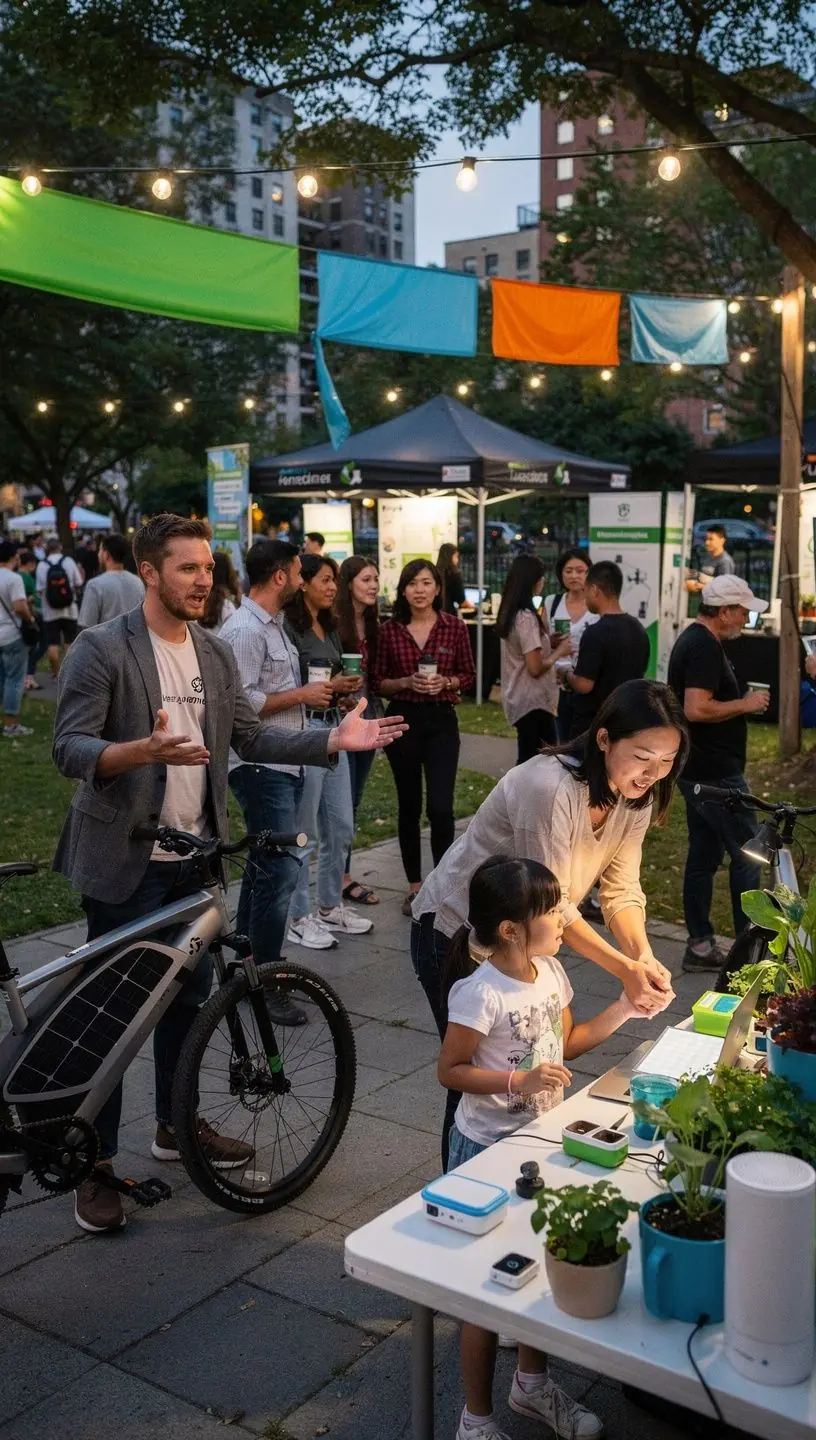
"Art in public spaces can transform neighborhoods, making them more inviting and engaging." - Urban Arts Expert
How Technology Enhances Public Art
Integrating technology into public art installations can significantly broaden their impact. For instance, interactive digital displays and augmented reality (AR)
While the benefits of combining technology with public art are clear, there are practical challenges to consider. Community engagement is essential—often taking considerable time and effort to gather input and ensure the project reflects local values. The process typically involves: Exploring the intersection of technology and public art can yield significant benefits for urban communities. By enhancing cultural expression and promoting engagement, these projects can transform residential districts into vibrant, livable spaces. As cities continue to evolve, embracing innovative approaches to public art will be crucial in fostering community identity and connection among residents.Examples of Technological Integration
Practical Considerations for Implementation
Conclusion