Exploring Smart Home Technology for Sustainable Living
As urban areas become increasingly populated, the importance of sustainable living solutions grows. Smart home technology offers innovative ways to enhance daily life while minimizing environmental impact. This article delves into how these technologies can promote sustainability in residential districts across the United States.
Understanding Smart Home Technology
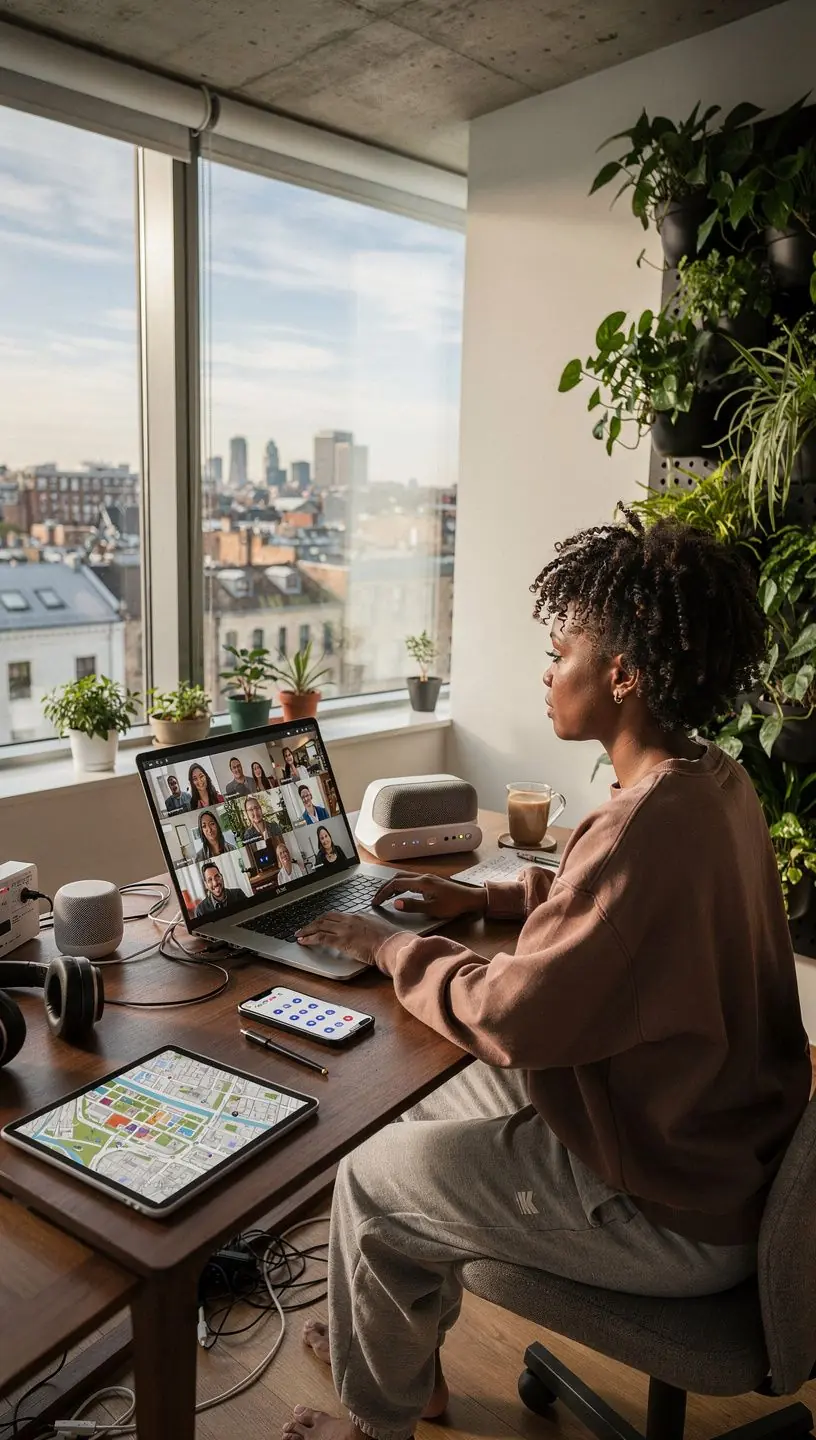
Smart home technology typically refers to devices that connect to the internet and can be controlled remotely. These systems often include smart thermostats, lighting, security cameras, and appliances. According to industry experts, the integration of these technologies can lead to significant energy savings, reducing overall consumption by as much as 30% in some households.

"The principle behind smart home technology is to optimize energy use and enhance convenience, thus supporting sustainable living practices." - Home Technology Expert
Key Benefits of Smart Home Systems
- Energy Efficiency: Smart thermostats, such as the Nest Learning Thermostat, can learn your schedule and adjust heating and cooling accordingly. Studies show that households using smart thermostats can reduce their energy bills by 10-15% annually.
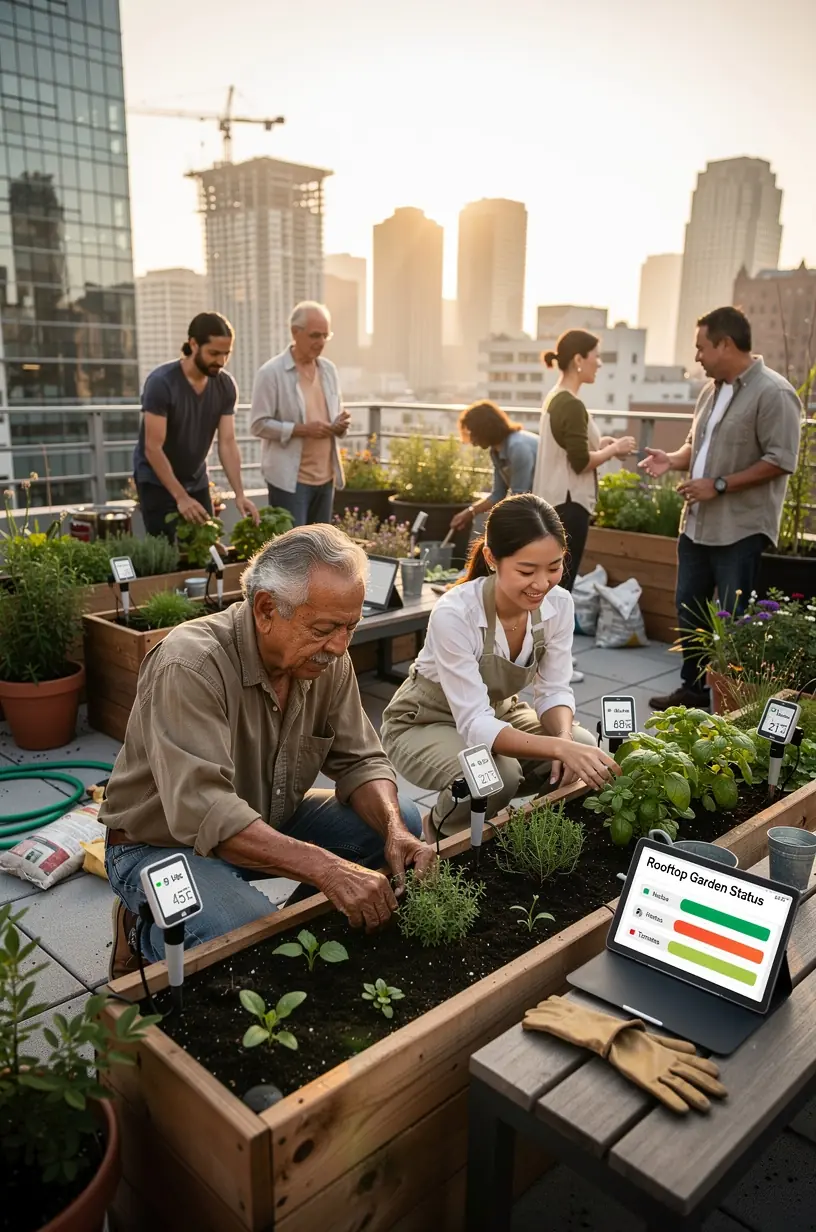
- Water Conservation: Smart irrigation systems can adjust watering schedules based on weather conditions, potentially reducing water use by up to 50% while maintaining healthy landscapes.
- Enhanced Security: Smart security devices, including doorbell cameras and smart locks, can help reduce crime rates in neighborhoods. Research indicates that visible security technology can deter criminal activity, promoting safer communities.
Challenges and Considerations
While the benefits of smart home technology are notable, there are challenges and limitations to consider. Many users report that setting up these systems can involve a learning curve. Typically, initial installation requires time and effort, ranging from a few hours to a couple of days depending on the complexity of the system.
Furthermore, the effectiveness of these technologies may vary based on individual circumstances. For instance, smart systems often work best in homes where users are willing to actively engage with the technology and make adjustments as needed.
Conclusion
Smart home technology represents a promising avenue for encouraging sustainable living in urban settings. By optimizing energy and resource use, these systems can help residents contribute to environmental conservation while enhancing their daily convenience. Although there are some challenges in terms of installation and adaptation, the long-term benefits of adopting smart technologies are significant. As more people turn to these solutions, the potential for creating greener, more sustainable neighborhoods increases.
Learn More